Ships and Boats Vocabulary for Kids
Ships and Boats Vocabulary for Kids: Words and Activities introduces watercraft, parts, people, and actions. Children can begin with boat, ship, sail, and captain, then learn deck, anchor, ferry, and steer. Instead of memorising a long list, they connect each word with a picture, movement, sentence, or game. This guide offers families focused vocabulary, examples, age-based activities, and home practice.
Core Words and Useful Phrases
Ships and Boats Vocabulary for Kids: Words and Activities works best in small related groups covering vessels, visible parts, people, and actions. Start with four to six items, use them in speech, and add words when the first group feels familiar.
Children may call every vessel a boat at first. Accept that starting point, then teach the distinctions below for more precise descriptions.
Teach parts such as bow, stern, deck, cabin, hull, mast, sail, anchor, rudder, and propeller. Add people words: captain, crew, and passenger. Action words include sail, row, paddle, steer, board, dock, launch, float, and sink.
Using the Words in Context
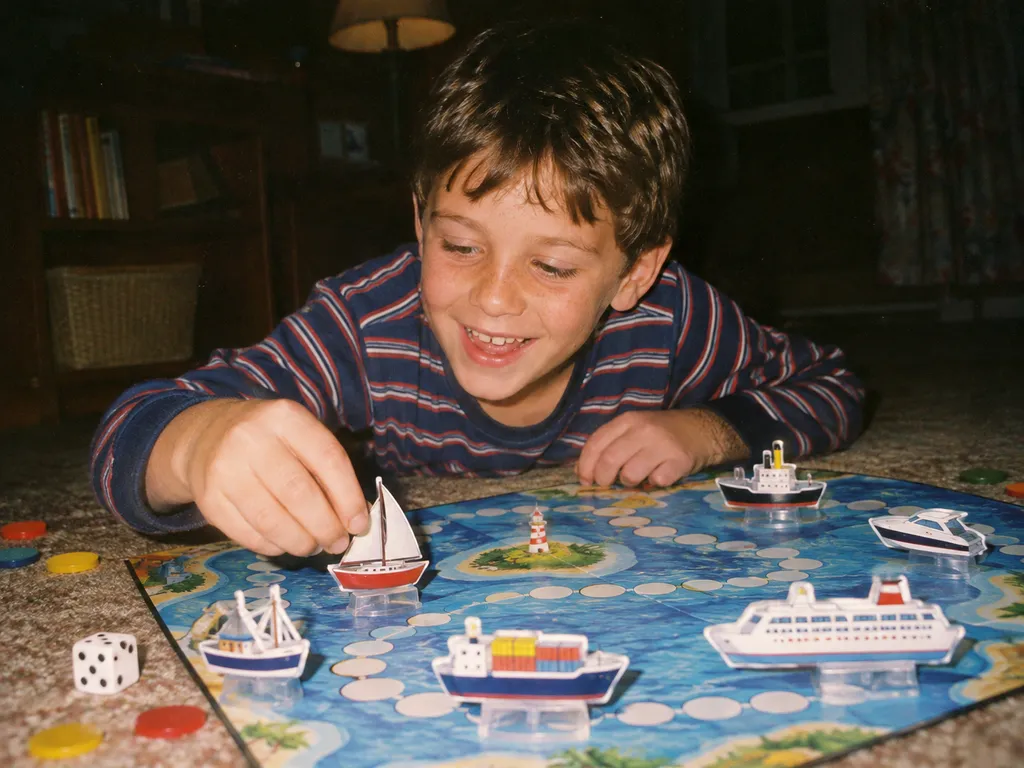
When practising Ships and Boats Vocabulary for Kids: Words and Activities, progress from names to descriptions. A child might start with “It is a ship,” then say, “The ship is large,” “The ship has a red hull,” and “The ship is sailing towards the port.” Each sentence retains familiar vocabulary and adds one detail.
Location phrases extend the vocabulary: “The captain is on the deck,” “The passengers are in the cabin,” and “The anchor is below the water.” Older learners can use at the bow, near the stern, on board, and below deck. Teach that port means left and starboard means right when facing the bow.
Build exchanges with questions: “What can you see?”, “Who steers the boat?”, “Where is the lifeboat?”, or “Why does the ship need an anchor?” Accept a short answer, then model a full sentence. “Captain” becomes “The captain steers the ship,” combining vocabulary with sentence building.
Activities for Different Ages
To adapt Ships and Boats Vocabulary for Kids: Words and Activities, change the task, not the subject. Children can point, match, colour, and copy movements. Show four vessel pictures and say, “Touch the ferry.” Move a paper boat while naming actions: float, turn, stop, and dock.
Children can sort picture cards into boats, ships, people, parts, and actions. They can build a block harbour, label features, and follow directions: “Move the cargo ship towards the dock.” For drawing practice, ask them to draw a sailboat and label its hull, mast, sail, bow, and stern.
School-age learners can compare vessels and explain their purposes: “A ferry follows a route, but a lifeboat is used in an emergency.” They can plan a short sea journey, select a vessel, and describe its crew, route, weather, and safety equipment. vocabulary then supports reasons, comparisons, and longer speech.
Practice Ideas for Home
Use available objects and images: a map, travel photo, bath toy, or vessel seen from shore. Choose five words for the day and repeat each in different sentences. A multilingual child may give a word in another family language before recalling its English form. That connection strengthens meaning.
Harbour Listening Game
Place drawings of a ferry, sailboat, cargo ship, and lifeboat on a table. Give one instruction at a time: “Put the ferry near the port,” “Move the sailboat behind the cargo ship,” or “Place the captain on the lifeboat.” Then swap roles and let your child give the instructions.
For quick review, play “Which word am I?” Give two or three clues: “I am part of a ship. People walk on me. I am outside.” The answer is deck. Or make a memory chain: “On the ship, I can see a captain.” The next person repeats the sentence and adds one item. Stop before fatigue.
Common Mistakes and Clear Corrections
Children often confuse ship and boat. Size can guide them, but exceptions exist. Teach common examples: a rowing boat, fishing boat, cargo ship, and cruise ship. During games, avoid correcting every slip. Repeat the sentence with the expected word and continue the exchange.
Travel, sail, and drive may cause confusion. A ship or boat sails even without sails, while a person steers or pilots it. A passenger may say, “We travelled by ferry.” Use paddle for a canoe or kayak and row for a rowing boat.
Keep pronunciation practice brief and focused. Contrast ship with sheep by shortening the vowel in ship. In boat, the mouth moves through the vowel instead of holding one flat sound. Model the word, use it in a sentence, then return to meaning. Communication matters more than a perfect accent.
- Sort eight picture cards into ships and boats, then name each aloud.
- Point to one picture, say the word, and correct pronunciation gently.
- Compare two vessels using simple sentences: “This ship is larger.”
- Replace incorrect labels together, explaining why each corrected word fits.
- Review five words with a matching game, then praise careful corrections.
When a word has several meanings or pronunciations, Cambridge Dictionary is a useful check before turning it into child-friendly examples.
Frequently Asked Questions
Should My Child Learn Ship Parts or Types of Boats First?
Begin with familiar vessels such as boat, ship, ferry, and sailboat. Add visible parts after your child can confidently name two or three vessels. Deck, sail, mast, anchor, bow, and stern suit early practice because pictures show them easily. Introduce specialist terms only when they help describe something meaningful.
What Is the Difference Between a Ship and a Boat?
A ship is generally larger and may carry many passengers or large amounts of cargo. A boat tends to be smaller and may travel on a lake, river, or near the coast. Exceptions make a rigid size rule unnecessary. Teach through examples and use vessel as a general term for both.
How Can a Multilingual Child Learn These English Words?
Connect English words to known concepts. Show the same picture while naming it in English and, when helpful, another family language. Then use a short English sentence: “The ferry carries passengers.” Mixing languages during the first stage can bridge existing knowledge and accurate English recall.
How Often Should We Practise This Vocabulary?
Practise for five to ten minutes a few times across the week. Ships and Boats Vocabulary for Kids: Words and Activities should combine naming, listening, movement, and short sentences instead of one long memorisation session. Review familiar words before adding new ones, then reuse them in drawings, pretend journeys, books, or conversations. Stop while your child remains engaged.
A short one-to-one lesson can show what level and pace fit your child — book a trial English lesson.
Stay updated on our latest tips and resources by following us on Instagram LearnLink.